
Best Places Where You Can Find Clients For Coaching Business

Starting a coaching business is an exciting experience, but one of the biggest challenges coaches face is finding clients. There are some things that coaches can do to get clients, but it can be overwhelming to know where to start. This article will explore the importance of finding clients for your coaching business online and why it’s important to know where to find them. Join us in exploring the “Best Places Where You Can Find Clients for Coaching Business in 2024″ as we unravel the latest trends and unveil the most promising arenas for cultivating a thriving coaching clientele. The Importance Of Finding Clients For Your Coaching Business For a coaching business to succeed, it is essential to find clients. Without clients, a coach cannot put their skills and knowledge to use. Additionally, clients generate revenue, essential for any business to grow and succeed. Finding clients helps coaches to build their reputation and establish themselves as industry experts. Not only does this attract new clients, but it can also lead to speaking engagements, partnerships, and other opportunities. How To Get High Paying Coaching Clients? Establish Expertise: Position yourself as an authority in your coaching niche. Craft compelling content, webinars, or podcasts that showcase your knowledge and demonstrate tangible results. High-paying clients are drawn to coaches who exhibit expertise and a proven track record of success. Targeted Marketing: Tailor your marketing efforts to reach the right audience. Utilize data-driven strategies to identify and engage with individuals actively seeking your coaching services. Precision targeting ensures your message resonates with those who value and can afford your expertise. Premium Packaging: Package your coaching services in a way that highlights their premium value. Offer exclusive packages with added benefits, personalized attention, and accelerated results. Emphasize the unique aspects of your coaching approach that set you apart from the competition. Network Strategically: Build relationships with key players in your industry. Attend high-profile events, engage with influential figures, and seek partnerships that elevate your coaching brand. Referrals from reputable sources can significantly enhance your credibility and attract high-paying clients. Demonstrate ROI: Clearly communicate the return on investment (ROI) your coaching services deliver. Share success stories, testimonials, and quantifiable results achieved by your clients. High-paying clients are more likely to invest when they see a direct correlation between your coaching and substantial positive outcomes in their lives or businesses. Why Is It Important To Know Where To Find Clients? Knowing where to find clients is just as important as finding clients. Different types of clients will be available in different places. It’s crucial to know where to find potential clients and how to reach them effectively. Some common ways to find clients include using social media, networking, reaching out to former clients, and attending events. By identifying the most effective strategies for finding clients, coaches can save time and energy and focus on the tactics that bring results. Best Places Where You Can Find Clients For Coaching Business In 2024 Social Media When it comes to finding clients for a coaching business, social media can be a powerful tool. With over 3.6 billion people using social media worldwide, coaches have a massive potential audience to tap into. Different social media platforms to promote your coaching business There are many different social media platforms, each with its unique audience. Some popular platforms for coaches include Twitter, Instagram, and Facebook. It’s important to choose the platforms that your target audience uses the most. How to get coaching clients on LinkedIn Optimize Your Profile Define Your Niche and Target Audience Engage in Thought Leadership Join Relevant Groups Connect with professionals Utilize LinkedIn Publishing Offer Free Resources Utilize Advanced Search Request Recommendations How to use social media to attract clients To attract clients on social media, coaches need to create engaging content that offers value to their audience. This can include sharing blog posts, videos, and infographics that offer tips, insights, and advice related to your coaching niche. Coaches should also interact with their followers by responding to comments and messages promptly. Building relationships on social media can lead to client referrals and word-of-mouth marketing that can help grow your coaching business. Online Directories Another effective way to find clients is through online directories. An online directory is a website that lists businesses and their information, making it easier for potential clients to find them. Many coach directories exist, such as Noomii, Thumbtack, and Life Coach Hub, where coaches can create profiles and get found by clients seeking coaching services. Listing websites where you can promote your coaching business When it comes to listing your business in an online directory, Google My Business is a must-have. Other directories coaches can consider include Yelp, Angie’s List, and Clutch. The most effective directories will depend on your coaching niche and target audience. How to optimize your online directory listing To maximize your online directory listing, ensure you have a complete profile with all necessary information, including your coaching niche, services, pricing, and contact details. Encourage clients to leave reviews on your profile and respond to them promptly, showing your commitment to excellent customer service. Also, make sure you update your listing frequently and provide value to your clients through your directory profile to attract more potential leads. Referrals Referrals are a powerful way for coaches to gain new clients. When satisfied clients refer their friends, family, or colleagues to your coaching business, it can increase revenue and growth. Coaches can generate referrals by providing excellent customer service, building a good rapport with their clients, and delivering results that exceed expectations. Ways to generate referrals from satisfied clients To generate referrals, coaches can ask their satisfied clients for introductions to their network or written recommendations. Coaches can also offer incentives, such as a discount on future services, for successful referrals. Another way to generate referrals is by creating a referral program and communicating it to your existing clients and network. This program can incentivize clients to refer potential leads to your coaching
SEO For Life Coaching Website – 9 Secrets You Must Learn

As a life coach, you have an incredible opportunity to make a positive impact on people’s lives. But how do you ensure your website stands out in the digital landscape? That’s where SEO comes in. SEO for life coaching websites is a key element nowadays. But why? Five years ago, when I was a novice at internet marketing, I asked myself several times- “Why does everyone keep mentioning SEO everywhere?” “Why does SEO matter?” “Does SEO add any value to the life coaching business?” After five years, I now understand why SEO is essential to the coaching industry and that success without it is impossible. According to statistics, coaches who use SEO as their primary online marketing method in the United States and other Western countries earn between 70$k to – 150$k annually. Fortunately, in this blog post, I’ll uncover the secrets of SEO for life coaching websites, helping you boost your online presence and reach more potential clients. So get ready to unlock the hidden powers of SEO and take your life coaching business to new heights! Let’s dive right in. What Is SEO For Coaches? SEO for coaches refers to the strategic process of optimizing online content to enhance the visibility of coaching services on search engines. It involves boosting search rankings to help potential clients find and engage with coaching services. This includes keyword optimization, content creation, and link building to establish credibility and authority. For coaches, effective SEO means reaching a wider audience, attracting clients organically, and establishing a robust online presence. It’s about ensuring that individuals seeking coaching services can easily find and connect with a coach whose expertise aligns with their needs and goals. Understanding SEO For Life Coaching Websites Understanding the SEO for life coaching websites is crucial for online visibility and client acquisition. Implementing effective search engine optimization (SEO) strategies ensures that your website ranks higher in search engine results, making it easier for potential clients to find you. Start by optimizing relevant keywords related to life coaching, creating compelling and informative content, and utilizing meta tags. Regularly update your website with fresh content, engage in link-building activities, and ensure a mobile-friendly design for a better user experience. With a well-optimized site, your life coaching services can reach a wider audience, helping you establish a strong online presence in a competitive digital landscape. Why Is SEO Needed For Life Coaching Websites? The life coaching profession helps people improve their health, career, and daily lifestyle. As we all know, running a life coaching business online is challenging. Especially in 2022. After this covid 19 pandemic, everyone is trying to get their hands on online business. So, I understand why it may seem difficult for a life coach, too. Literally, everyone, businessmen and general users alike is trying to utilize online platforms. Because there is a vast audience online, around 53% of the traffic of Google search results is organic. SEO helps you to bring organic traffic and collect leads. That’s where skyrocketcoach comes to the scene. The company helps life coaches to build their businesses online. You can get high ticket clients and earn six-figure money per month by just doing SEO for your platforms. Around 70$k – 150k$ can be acquired by life coaches who use SEO as the main internet marketing strategy and other marketing platforms. What Are The Best SEO Keywords For Coaching Websites? Selecting the best SEO keywords for coaching depends on the specific niche and target audience of the coaching services. However, here are some general keywords that may be effective across various coaching domains: Life Coaching Keywords life coach life coaching services personal development coach life transformation coaching Business Coaching Keywords business coach Executive Coaching leadership development coaching small business coaching Career Coaching Keywords career coach job transition coaching professional development coaching career change coach Wellness Coaching Keywords wellness coach health and wellness coaching holistic life coach stress management coaching Relationship Coaching Keywords relationship coach couples coaching marriage counseling coach communication skills coaching Executive Coaching Keywords executive coach leadership coaching CEO Coaching high-performance coaching Mindfulness Coaching Keywords mindfulness coach meditation coaching mindfulness-based stress reduction coach spiritual coaching Performance Coaching Keywords performance coach goal achievement coaching peak performance coaching success mindset coaching Parenting Coaching Keywords parenting coach positive parenting coaching parenting skills coaching family life coach Financial Coaching Keywords financial coach money mindset coaching financial planning coaching wealth-building coaching Top Six Benefits Of SEO For Life Coaching Websites You could become a Google top coach by SEO for a life coaching website. There are vast benefits to doing SEO for life coaching websites. Here are the top 6 benefits of SEO for a coaching business. Rank On Google Suppose you do Search Engine Optimization for your website. You researched a keyword or a search query, and as a result, what will happen? Your website will start to appear on the Top page of Google. This is the result you want to see for your online presence. People will find you on the top. As a result, You will become a Google Top Coach. It will massively boost your business Economy. Appear In Search Results About 90% of the websites do not appear in search engines because they are not fully optimized. When you optimize and follow the rules of Google, the world’s largest and most popular search engine, your life coaching website will start to appear in the search results. Remember that 92% of people prefer to search on Google. Creates Brand value Search Engine Optimization helps build brand value for your coaching website. When people find your life coaching website online, they become aware of your services. The more people find your life coaching website and get help, the more recognition you and your brand get. So, the tricky part is to find your website among millions of other services. That’s where SEO comes in handy. That’s why the best SEO for life coaching websites is essential. Brings targeted audiences When you do SEO stuff for
Top 10 Business Coaches In The World You Must Follow In 2024

Embark on a transformative journey in 2024 with our curated list of the “Top 10 Business Coaches in the World.” Having a business coach can be a game-changer for entrepreneurs who are looking to grow their businesses. A business coach can help business owners reach their objectives and deal with challenges by providing valuable insights and guidance. Fortunately, In this blog post, we will discuss what a business coach is, why you should consider following a top business coach in USA, and how the right coach can help you achieve success in 2024. What Is A Business Coach? A business coach is an experienced professional who works with entrepreneurs, business owners, and executives to help them develop the skills and strategies they need to succeed in business. Business coaches provide guidance, support, and accountability to their clients, working with them to identify their strengths and weaknesses and develop a plan of action to achieve their goals. They help business owners and entrepreneurs to improve their decision-making skills, develop leadership abilities, and build a successful business strategy. Why You Should Consider Following A Top Business Coach In USA Working with a business coach can provide a number of benefits, including: Objectivity: A business coach can bring an objective perspective to the table and provide feedback on your ideas and strategies. Accountability: A coach can hold you accountable for your actions and provide the motivation you need to stay on track. Skills Development: A coach can help you identify areas where you need to improve your skills and provide guidance on how to do so. Networking: A coach can introduce you to new people, help you build relationships, and expand your network. Strategy: A coach can help you develop a clear and effective business strategy that will help you achieve your goals. Top 10 Business Coaches In The World ( You Should follow if you want to Build a 7 figure coaching business in 2024) Tony Robbins Tony Robbins’ background and career Tony Robbins is a well-known American business coach, entrepreneur, and author who has worked with many successful individuals and businesses worldwide. He started his career as a motivational speaker and gained recognition for his bestselling books, including “Awaken the Giant Within” and “Unlimited Power“. Robbins has been coaching for over three decades, and his clients have included CEOs, professional athletes, and politicians. Tony Robbins’ coaching philosophy and methods Robbins’ coaching philosophy is centered around the idea of personal development and overcoming limiting beliefs that hold individuals and businesses back. His methods involve a combination of neuro-linguistic programming, cognitive behavioral therapy, and positive psychology principles. His coaching sessions aim to create a positive mindset, build confidence, and develop strategic planning for success in business and personal life. He uses high-energy presentations and interactive group exercises to motivate clients and create meaningful change. Marie Forleo Marie Forleo’s background and career Marie Forleo is a well-known American entrepreneur, author, and business coach. She gained recognition for her online show, MarieTV, which features interviews with successful individuals in various industries. Forleo started her career as a personal trainer and later transitioned to coaching, where she has worked with thousands of clients worldwide. She is also the author of the bestselling book “Everything Is Figureoutable“. Marie Forleo’s approach to business and life coaching Forleo’s approach to coaching is centered around personal development and helping individuals create a fulfilling life and business. Her methods involve a combination of practical business strategies, mindset coaching, and spirituality principles. She encourages her clients to focus on their strengths, build resilience, and develop effective marketing techniques that align with their values. Forleo’s coaching sessions are delivered through an online platform and include interactive exercises, group support, and accountability measures to ensure clients reach their goals. Simon Sinek Simon Sinek’s background and career Simon Sinek is an acclaimed author, public speaker, and leadership advisor from the UK. After serving in the British Army, Sinek started his career in advertising and later founded his own consulting firm, Sinek Partners. He is popularly known for his first book, “Start with Why: How Great Leaders Inspire Everyone to Take Action“. Over the years, he has been invited to speak at TED Talks and other industry events, where he shares insights on leadership and team building. Simon Sinek’s focus on leadership and team building Sinek’s approach to leadership and team building focuses on developing individuals who can inspire and ignite change in their organizations. He believes that leaders should have a clear sense of purpose and be able to communicate it effectively to their team members. Sinek emphasizes the importance of trust, communication, and empathy in building strong teams. His workshops and training sessions are designed to help leaders understand their team members and create a work environment that supports growth and innovation. Sinek’s insightful approach to leadership has gained him a significant following among businesses and organizations worldwide. Robin Sharma Robin Sharma’s background and career Robin Sharma is a renowned writer, speaker, and success coach from Canada. With a law degree and a successful legal career, Sharma transitioned to writing and coaching full-time. His work has been published in over 70 countries and translated into over 50 languages. He’s best known for his book “The Monk Who Sold His Ferrari” and his training program “The Titan Academy”. Sharma has a massive following thanks to his insights on leadership, productivity, and personal development. Robin Sharma’s focus on productivity and personal development Sharma’s teachings on productivity and personal development center on achieving excellence through simple daily practices. He believes success is not just about what we do but who we are. Sharma encourages individuals to pursue their passions, set meaningful goals, and develop daily habits to achieve them. He advocates staying organized, prioritizing self-reflection, and investing in personal growth. Through his books, podcasts, and seminars, Robin Sharma has helped countless individuals become more productive and fulfilled in their personal and professional lives. Mel Robbins Mel Robbins’ background and career Mel Robbins is a successful author,
10 Mistakes To Avoid When Starting A Life Coaching Business

Starting a life coaching business can be rewarding and fulfilling for those interested in helping others achieve their goals and improve their lives. Life coaching has become more popular over the past few years, with more and more people looking for help and advice from coaches to get through tough times in their lives. However, like any other business venture, starting a life coaching business comes with its own set of challenges and requires careful planning and preparation. In this blog, we’ll explore 10 mistakes to avoid when starting a life-coaching business. Let’s get started. The Importance Of Avoiding Mistakes In Starting A Life Coaching Business When starting a life coaching business, one of the most important things to remember is not to make the same mistakes that many other first-time business owners do. Some of these mistakes include not conducting proper market research, underestimating the importance of branding and marketing, and not diversifying services, among others. By avoiding these mistakes and investing in a solid business plan, potential life coaches can increase their chances of success and growth in the industry. The Benefits And Challenges Of Being A Life Coach Being a life coach comes with its own set of benefits and challenges. On the one hand, life coaches can make a positive impact on their clients’ lives, build lasting relationships, and experience personal fulfillment. Inversely, life coaches must constantly stay updated with industry trends, keep up with competition, and handle difficult clients or cases. However, Life coaches can get through these problems, though, if they work hard and are determined. They can also build a successful business that helps their clients and the community. Let’s discuss starting a life coaching business checklist and how to start a life coaching business online and get clients. Establishing Your Brand Identity When starting a life coaching business, it’s important to establish a strong brand identity that resonates with your target audience. This can be achieved through careful consideration of your niche and target market, as well as by building a strong online presence. Defining Your Niche and Target Market To establish your brand identity, it’s important to define your niche and target market. This will help you tailor your services and marketing efforts to reach the right audience. Ask yourself what type of coaching you offer and who your ideal client is. This will shape your brand messaging and overall marketing strategy. Building Your Online Presence A strong online presence is crucial for any business in today’s digital age. Utilize social media platforms like LinkedIn, Instagram, and Facebook to build your brand and connect with potential clients. Create a website that reflects your brand identity and showcases your services. Utilize search engine optimization techniques to ensure your website is visible to those needing your services. Financial Management As a life coach, managing finances can be a challenging task. It is important to establish a sound financial plan for your business to ensure profitability and sustainability. Setting Realistic Revenue Goals and Budgeting When setting revenue goals, it is crucial to consider your niche, target market, and competition to set realistic expectations. Establishing a budget with expenses can help you monitor and adjust your finances accordingly. Understanding your cash flow will help you make informed decisions and stay on track toward your financial goals. Minimizing and Managing Business Expenses As a business owner, it is essential to minimize expenses and manage costs effectively. Evaluate which expenses are necessary for your operations and find ways to reduce them. Consider outsourcing or automating tasks to save time and money. This will allow you to focus on your core competencies and grow your business without the burden of excessive costs. Legal And Ethical Considerations Understanding the Legal Requirements of Running a Life Coaching Business Successfully running a coaching business requires an understanding of legal requirements. Coaches must comply with federal, state, and local laws and regulations. Examples of legal requirements include registering for taxes, forming a business entity, obtaining required licenses and permits, and maintaining proper insurance coverage. Failure to comply with legal requirements can result in fines, legal action, and financial losses. Compliance helps build a strong and stable business that operates with integrity and credibility. Maintaining Ethical Standards in Your Practice Maintaining ethical standards is crucial in the coaching profession. Coaches must adhere to standards and ethical guidelines set forth in their practice. Examples of ethical principles include confidentiality, client welfare, informed consent, and avoiding conflicts of interest. Breaching ethical standards can result in reputational damage and legal consequences. Upholding ethical guidelines is essential to building and maintaining a positive reputation among clients and industry peers. Professional Development And Skills Enhancement Life coaches must constantly work on professional development to maintain their competitive edge in the market. They must stay updated with the latest trends, techniques, and tools of the industry. Coaches can attend various workshops, seminars, and conferences to enhance their skills in areas such as motivation, leadership, and communication. Continuing Education and Certification Requirements To maintain their certification and credibility, coaches need to complete continuing education requirements. The International Coach Federation (ICF) requires coaches to complete 60 hours of Continuing Coaching Education (CCE) units every three years. Some states have their own certification requirements as well. By meeting these certification requirements, coaches can assure their clients of their competence and professionalism. Personal and Professional Growth Besides attending workshops and completing life coach certification requirements, coaches must work on personal and professional growth. This can involve improving their time management, communication skills, and business acumen. Coaches can read books, enroll in online courses, or hire a mentor to receive guidance and support in their growth journey. Leadership And Team Management Life coaches understand that to grow their business, they must lead and manage their team effectively. They must carefully select and train new staff and contractors to ensure that they uphold the same standards of professionalism and commitment to client success. Coaches must also establish a positive and productive work environment that
Unleash Your Potential: How To Become Online Fitness Coach
Want to join the United States online fitness coaching scene? Wondering how to become an online fitness coach? Look no further—this “How to become online fitness coach” guide reveals digital coaching success secrets. Online fitness coaching has gained popularity in recent years due to its convenience and accessibility. With advancements in technology, people can now work with a personal trainer or coach from anywhere in the world through virtual platforms. Online coaching is more convenient than face-to-face meetings because it lets people work at their own pace and on their own time. In this blog post, we’ll discuss what online fitness coaching is, its benefits, and how it can help individuals reach their fitness goals. Read on to uncover the keys to becoming a successful online fitness coach. What Is Online Fitness Coaching? Online fitness coaching is a form of virtual training that involves working with a personal trainer or coach through an online platform. It incorporates various forms of communication, such as video calls, messaging, and emails, to keep track of fitness progress, provide motivation and guidance, and modify workouts if necessary. Online coaching can cover a range of fitness goals, such as weight loss, muscle gain, and overall health and wellness. Benefits Of Online Fitness Coaching Convenient and Flexible: Online fitness coaching eliminates the need for in-person sessions and allows individuals to work with their personal trainer or coach from the comfort of their own homes. This allows for greater flexibility in scheduling and is especially convenient for those with busy schedules. Personalized and Customized Workouts: Online coaches can create personalized workout plans based on an individual’s fitness level, goals, and preferences. Also, coaches can modify workouts to ensure that individuals progress and avoid injury. Affordable: Online fitness coaching is often more affordable than in-person sessions due to the elimination of travel and other associated expenses. Types Of Clients You Can Work With Fitness Enthusiasts: Individuals seeking expert guidance to enhance their workout routines. Beginners: Those new to fitness need foundational support. Special Populations: Clients with specific health conditions or unique needs. Athletes: Tailor training programs for athletes pursuing specific performance goals. How To Become Online Fitness Coach? Education And Certification Qualifications Education Requirements A background in exercise science, kinesiology, or a related field. Stay updated on the latest fitness research and trends. Top Fitness Education Providers (Professional Certifications) Some of the top online fitness coach certification providers for personal trainers and coaches include the International Sports Sciences Association (ISSA), the National Council on Strength and Fitness (NCSF), the National Academy of Sports Medicine (NASM), the American Council of Exercise (ACE), National Strength and Conditioning Association (NSCA), National Council for Certified Personal Trainers (NCCPT). These organizations offer a variety of certifications and specializations, from general personal training to sports performance and corrective exercise. Note: When choosing an online fitness coach, it is important to inquire about their education and certification to ensure they can provide guidance and support in your fitness journey. Insurance Requirements Secure liability insurance to protect against potential risks. Licensing Requirements Check local regulations for any required licenses or permits. Building A Personal Brand Creating a Personal Brand Establishing a personal brand is crucial for online fitness trainers and coaches. A strong personal brand helps to create recognition, establishes an expert identity, and builds trust with prospective clients. In order to build a personal brand, it is important to define the brand identity and unique selling proposition. This means identifying personal values, mission, and niche within the fitness industry. Effective Social Media Strategies Social media is a crucial tool for building a personal brand and connecting with prospective clients. Effective strategies for social media include consistent posting and engagement with followers. Posting high-quality content that aligns with the personal brand is essential in establishing expertise and building trust. Utilizing engagement tools such as polls, Q&A sessions, and live videos also helps to foster a sense of community among followers. Designing Workout Plans Understanding Client Needs When it comes to designing workout plans for clients, it is important for online fitness trainers and coaches to take the time to understand their client’s needs and goals. This can be accomplished through initial consultations, assessments, and ongoing communication. By understanding their clients’ individual requirements, trainers can create customized workout plans that meet their clients’ specific needs. Creating Customized Workout Plans Once trainers have a clear understanding of their client’s needs, they can design workout plans that are tailored specifically to them. This includes selecting exercises and activities based on the client’s fitness history, level of experience, and overall goals. Trainers can also create customized plans for clients with specific needs, such as injury recovery or pre/postnatal exercise. Nutrition And Meal Planning Importance of Nutrition Online fitness trainers and coaches understand that nutrition is a vital aspect of a client’s fitness journey. Creating customized meal plans and offering nutritional guidance can significantly impact the success and progress of their clients. Therefore, understanding and prioritizing proper nutrition is an essential aspect of successful online fitness coaching. Creating Meal Plans and Guidelines Once a trainer has assessed their client’s nutritional needs and preferences, they can design a custom meal plan that aligns with their client’s fitness goals. The meal plan should match the client’s lifestyle, dietary restrictions, and macro-nutrient requirements. The trainer can also provide clients with guidelines and tips to help them stick to their meal plan, such as preparing meals in advance, tracking their progress, and adjusting the plan as needed. Coaching Techniques Motivational Strategies for Clients Effective online fitness coaching requires trainers to implement motivational strategies to encourage clients to achieve their fitness goals. A coach may use positive reinforcement to help clients acknowledge their successes and progress in their fitness journey. They may also offer encouragement during moments of struggle or lack of motivation. Celebrating small wins and personal milestones may also help clients maintain motivation and develop a sense of accomplishment, leading to consistent progress toward their goals. Effective Communication Skills Clear and effective communication
The Ultimate Guide: Best Website For Coaching Business
Welcome to the ultimate guide to finding the best website for coaching business! Nowadays, having a strong online presence is crucial for any coach looking to connect with clients and expand their reach. A well-designed and user-friendly website can be your virtual storefront, showcasing your expertise and attracting potential clients from around the globe. But with so many website-building platforms out there, how do you choose the one that’s right for you? Don’t worry – we’ve got you covered. Today, this guide will explore the best website specifically tailored for coaching businesses. Whether you’re a life coach, health coach, business coach, or any other professional coach, we’ll help you make an informed decision that aligns with your unique needs and goals. So, let’s dive in and discover which platform will take your coaching business to new heights! Reasons Why Coaches Need An Online Presence A robust online presence serves as a gateway to a wider audience. It enables coaches to: Expand Reach: Access potential clients globally. Credibility Enhancement: Establish professionalism and expertise. 24/7 Accessibility: Offer services and information round-the-clock. The Importance Of Finding The Best Website For A Coaching Business In USA Optimizing the website can attract people who are interested in your coaching services. According to a survey by Statista, there were over 1.7 billion websites as of January 2021. It is essential to stand out from the rest. The qualities of an excellent website can attract potential clients to your services. These qualities include a user-friendly interface, a loading speed of less than two seconds, and responsive design across different devices. These features enhance the user experience for visitors to the site. Moreover, a well-structured website can lead to better search engine results, making it easier for individuals to find it through related searches. This can lead to more organic traffic to your website, which can help increase your business’s visibility. Comparing Website Builders and Platforms There are many website builders and platforms to choose from, such as WordPress, Wix, Squarespace, and Weebly. Comparing the pros and cons of each platform can help you determine the right one for your coaching business. For example, Wix is an intuitive platform that is easy to use but lacks some of the more advanced features that WordPress may offer. Squarespace offers sleek designs but may not be as customizable as WordPress. Ultimately, the choice of website builder and platform depends on the specific needs of your coaching business. Benefits Of Having A Website As A Coach Brand Establishment: Craft a unique brand identity. Client Engagement: Foster direct interaction and trust. Marketing Hub: Showcase services, testimonials, and resources. Business Growth: Convert visitors into clients and generate revenue. Best Website For Coaching Business 1. Squarespace Squarespace Features For Coaching Business Websites Squarespace is a website builder that offers intuitive, sleek designs that are perfect for coaching business websites. It boasts key features, such as a blogging platform, e-commerce functionality, built-in analytics, and mobile optimization. These features are essential for coaching businesses looking to create an attractive and functional website. The platform’s blogging feature makes it easy to create a content marketing strategy that can help drive traffic and showcase the coaching business’s expertise. The e-commerce functionality is great for coaches who want to sell digital or physical products such as e-books or merchandise. The built-in analytics help website owners track their website’s performance. Finally, the mobile optimization of Squarespace guarantees that the website looks and functions perfectly on various mobile devices. Customization Options For Squarespace While Squarespace may not be as customizable as other platforms like WordPress, it offers many customization options. The platform’s drag-and-drop functionality makes it easy to add content and create unique layouts. Users can choose from a wide range of themes, each with their own unique style, and edit them as necessary. Squarespace also allows custom coding, providing another layer of customization for more experienced users. 2. Wix Wix advantages for coaching business websites Wix is a user-friendly website builder that offers advantages for coaching businesses looking to build a strong online presence. Wix’s easy-to-use drag-and-drop editor allows users to create their website design without any coding experience, making it an excellent option for coaches who want to DIY their website. Also, Wix offers SEO tools, analytics, and social media integration, all of which are essential for coaching businesses looking to increase their visibility and generate leads. Wix offers a variety of apps and integrations that can further enhance a coaching business’s website functionality. Wix templates for coaching businesses Wix offers over 800 website templates, which are perfect for coaching businesses. These templates are fully customizable, allowing coaches to personalize and tailor their websites to match their brand’s unique voice and style. Additionally, Wix offers pre-built website sections that coaches can use to add functionality such as booking calendars, contact forms, and more. The “Life Coach” template, the “Personal Fitness Trainer” template, and the “Consultancy” template are some of the most useful documents for teaching businesses. All these templates feature professional designs that can help coaches make a great first impression and showcase their services in the best possible light. 3. WordPress WordPress as a platform for coaching business websites WordPress is the most popular global content management system (CMS) and an excellent option for coaching businesses looking to build a website. WordPress offers a wide range of features, including customization options, analytics, and SEO tools, that can help create a strong online presence. WordPress has many user-friendly themes and templates that can be customized and tailored to match the coaching business’s voice and style. Being open-source means the platform receives free updates with new features, security patches, and enhancements. Essential plugins for coaching websites on WordPress WordPress offers an extensive plugin library that adds extra functionality to websites. A “Yoast SEO” plugin is necessary for coaching websites because it helps the site rank higher on search engines. “Gravity Forms” makes booking forms and online payment gateways, and “Google Analytics for WordPress”
How To Market Your Health Coaching Business: Easy Guide
Health coaching is becoming increasingly popular as more people search for ways to improve their health and wellness. However, building a successful health coaching business requires more than just having the knowledge to help others. A crucial aspect of running a successful health coaching business is marketing. Luckily, this article will discuss the importance of marketing for health coaching businesses and the goals of health coaching business marketing. Let’s get started on how to market your health coaching business effectively. The Importance Of Marketing For Health Coaching Business Without marketing, it can be challenging for health coaching businesses to attract new clients and maintain a steady stream of income. Marketing plans can help health coaches stand out from rivals, get more people to know about their services, and show how health coaching can help people. Utilizing marketing tactics can help health coaches build a brand, attract a loyal following, and make a more significant impact on the health and wellness industry. The Goals Of Health Coaching Business Marketing The main goal of health coaching business marketing is to attract and retain clients. Specific objectives of health coaching marketing strategies include: Building brand awareness and recognition Generating leads and converting them into clients Establishing the business as a thought leader in the industry Providing valuable content that educates and engages potential and current clients Creating and maintaining a positive reputation through word-of-mouth marketing. How To Market Your Health Coaching Business Digitally Online? Marketing your health coaching business effectively requires a strategic approach that encompasses several key elements. Here’s a breakdown of essential steps to market your health coaching services successfully: Define Your Unique Selling Proposition (USP) Identify Your Niche: Determine the specific area(s) of health and wellness where you excel. This could be weight management, stress reduction, nutrition, fitness, or a holistic approach to wellness. Craft Your Brand Message: Develop an interesting brand that communicates your expertise, values, and unique approach. Create a clear and relatable message that resonates with your target audience’s needs and aspirations. Health Coach Branding Consistency: Ensure consistency across all platforms – website, social media, and marketing materials – to build brand recognition and trust. Enhancing Your Online Presence (Digital Marketing Tactics) A strong online presence is crucial for any health coaching business looking to reach and engage with its audience effectively. Leveraging various digital marketing strategies can significantly enhance visibility, credibility, and client acquisition. Here are some of the essential tactics: Establishing a User-Friendly Website: Your website serves as the virtual storefront for your health coaching services. Ensure it’s user-friendly, visually appealing, and optimized for mobile devices. Include clear and concise information about your services, credentials, testimonials, and a simple way for potential clients to contact you. Search Engine Optimization (SEO) Basics for Health Coaches: Implementing SEO practices will improve your website’s visibility on search engines. Utilize relevant keywords related to health coaching in your website content, optimize meta descriptions and headers, and ensure fast loading speeds to improve search rankings. Engaging Through Social Media Utilize Social Media: Engage with your audience on platforms such as Instagram, Facebook, LinkedIn, or TikTok by sharing valuable content, success stories, and tips and offering insights into your coaching approach. Creating a Content Calendar for Regular Posts and Updates: Consistency is key. Develop a content calendar outlining when and what type of content you’ll post. Share valuable health tips, success stories, client testimonials, and engaging visuals to foster a sense of community and trust. Content Marketing Strategy Blogging Strategies for Health Coaches: Start a blog on your website to share in-depth insights, industry trends, wellness tips, and personal stories. Consistently publishing relevant and valuable content educates your audience and establishes you as an authority in your field. Video Content in Marketing and the Power of Demonstration: Videos have immense power in conveying your expertise. Consider creating tutorial videos, client success stories, or live Q&A sessions to engage your audience visually and authentically. Email Marketing Build an email list by offering subscribers valuable resources, freebies, or newsletters. Regularly send out content, updates, and special offers to maintain engagement. How Do You Market Your Health Coaching Business Locally? Local And Community Marketing Approaches Engaging with your local community can be a powerful way to establish your presence and credibility as a health coach. Here are two effective approaches to consider: Networking and Partnerships Joining Local Business Groups and Health Networks: Participate in local business associations, wellness clubs, or health-related networking groups. Engaging with these communities can provide valuable opportunities to network with like-minded professionals, gain referrals, and showcase your expertise. Forming Partnerships with Healthcare Providers and Fitness Centers: Collaborate with local healthcare providers, gyms, or fitness centers to create mutually beneficial partnerships. Offer to provide educational materials, workshops, or one-on-one sessions to their clients, establishing yourself as a trusted resource for health and wellness guidance. Workshops and Speaking Engagements Conducting Local Workshops and Lectures: Organize and host workshops or seminars on health-related topics within your community. Focus on subjects that resonate with your target audience, such as nutrition, stress management, or fitness. These events can attract potential clients and position you as an authority in the field. Public Speaking Tips to Promote Your Coaching Services When speaking at local events or workshops, consider these tips: Know Your Audience: Tailor your content to your audience’s specific needs and interests. Engage and Educate: Use storytelling, visuals, and interactive elements to engage the audience while providing valuable information. Offer Value: Provide actionable tips or insights that attendees can implement in their daily lives. Collect Contact Information: Have a sign-up sheet or offer a free resource in exchange for email addresses to continue the conversation beyond the event. Paid Advertising Strategies Incorporating paid advertising into your marketing mix can significantly amplify your reach and engagement with potential clients. Understanding various platforms and measuring return on investment (ROI) are pivotal in ensuring your ad spends yield optimal results. Understanding Different Platforms Comparing Google AdWords, Facebook Ads, and Instagram Sponsorship Google AdWords: Google AdWords, now known as
How To Start A Health And Wellness Coaching Business Today
Are you passionate about health and wellness? Do you dream of empowering others to achieve their health goals? Starting a health and wellness coaching business today is a fulfilling way to turn your passion into a career. With the growing focus on personal health, there’s never been a better time to embark on this journey. This guide will walk you through each step, from the initial concept to launching your own coaching business. Let’s get started on how to start a health and wellness coaching business today and achieve goals. Understanding Health And Wellness Coaching Health and wellness coaching is a client-centered process that encourages individuals to explore and achieve personal health goals. As a coach, you’ll wear many hats: motivator, educator, and supporter. Unlike other forms of coaching, health and wellness coaching focuses specifically on health-related goals, whether it’s nutrition, exercise, stress management, or overall lifestyle changes. The Importance Of Health And Wellness Coaching Health and wellness coaching is crucial because it helps individuals set realistic goals and develop sustainable habits. A coach can help clients identify areas where they need to improve and provide them with the tools they need to succeed. Also, health and wellness coaches can inspire and encourage their clients, which is especially important for people who are worried or stressed about their health. Benefits Of Starting A Health And Wellness Coaching Business Starting a health and wellness coaching business can be incredibly rewarding. Firstly, there is a high demand for health and wellness coaches, so there is plenty of opportunity to build a successful business. Also, health and wellness coaches typically have a lot of flexibility in terms of scheduling and location. They can work with clients in person, over the phone or online, which means they can work from anywhere in the world. Finally, starting a health and wellness coaching business allows you to make a positive impact on people’s lives, which is incredibly fulfilling. How To Start A Health And Wellness Coaching Business? Determine Your Coaching Niche Identifying Your Target Audience And Their Needs To build a successful health and wellness coaching business, it is crucial to identify your target audience. This means understanding their specific needs and challenges, as well as their goals and objectives. Your target audience may include individuals who are looking to lose weight, manage stress, or improve their overall well-being. Once you understand their needs, you can tailor your coaching approach to meet their unique requirements. Defining Your Coaching Niche You can define your coaching niche once you have identified your target audience. This means selecting a specific health and wellness coaching area you want to specialize in. For example, you may focus on nutrition, fitness, or stress management coaching. By defining your niche, you can position yourself as an expert in that field and differentiate yourself from other coaches. When choosing your coaching niche, it is important to consider your skills and expertise, as well as the needs of your target audience. You may also want to research the market and competition to ensure that your niche is in demand. Once you have defined your coaching niche, you can start developing your coaching services and marketing your business to your target audience. Develop Your Coaching Technique Coaching styles and methodologies To be a successful health and wellness coach, it’s vital to develop your coaching technique. There are many styles and methodologies you can use, including cognitive-behavioral coaching, motivational interviewing, and positive psychology coaching. It is essential to choose a method that aligns with your niche and the needs of your target audience. Setting goals and creating plans Once you have chosen your coaching style, it’s important to set goals and create plans. Goals should be SMART (specific, measurable, attainable, relevant, and time-bound) and based on your clients’ needs and desires. Creating a personalized plan for each client will help them achieve their goals in a timely and efficient manner. Developing your coaching technique is an ongoing process, and it’s important to continue learning and refining your skills. Attend workshops, read books, and engage in continuing education to stay relevant and up-to-date. By developing a strong coaching technique, you will provide your clients with the tools they need to achieve their health and wellness goals, ensuring a successful coaching business. Marketing Your Coaching Business Creating A Business Plan And Marketing Strategy To build a successful coaching business, it’s important to create a robust business plan and marketing strategy. Start by defining your target audience and the unique value you offer to them. Develop a pricing structure that reflects your experience and expertise and set specific financial goals. Your marketing strategy should include identifying your niche and creating a brand that reflects your coaching philosophy. Create a website, utilize social media platforms, and consider advertising on relevant blogs and websites to expand your reach. Networking and building your client base Networking is an effective way to attract clients and build your coaching business. Attend events and conferences that your target audience is likely to attend. Offer free consultations or introductory sessions to showcase your skills and build trust with potential clients. Word-of-mouth referrals are also crucial to building your client base. Satisfied clients are more likely to recommend your services to friends and family. Encourage referrals by offering a referral program or providing incentives for clients who bring in new business. Setting Up Your Business Legal And Financial Considerations When setting up a coaching business, legal and financial considerations are essential. It’s recommended to seek legal advice to register your business and obtain any necessary permits and licenses. Furthermore, obtaining liability insurance can protect your business from potential legal issues. Financial planning is also critical to the success of your coaching business. Creating a cash flow forecast and budget can help you manage expenses and ensure you have enough revenue to sustain your practice. It’s also essential to track your income and expenses for tax. Tools And Resources For Managing Your Coaching Business There are several tools
Discover What Is Kartra: The Ultimate Guide For Beginners
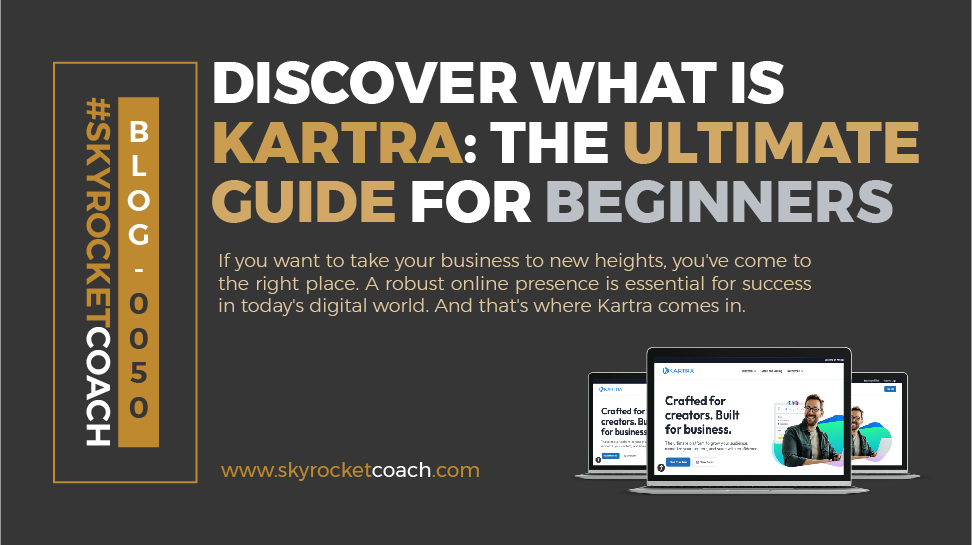
If you want to take your business to new heights, you’ve come to the right place. A robust online presence is essential for success in today’s digital world. And that’s where Kartra comes in. Kartra is an all-in-one marketing platform offering many tools and features to help entrepreneurs and businesses thrive online. Whether you’re just starting or looking to streamline your existing operations, Kartra has you covered. In this guide, we’ll dive deep into what is Kartra, its key features and benefits, how it can replace multiple other platforms, pricing plans and packages available, and tips and tricks for maximizing its potential. So buckle up and get ready to discover everything about Kartra–from what it is and how it works to implementing it effectively in your business. By the end of this guide, you’ll clearly understand whether Kartra is the right fit for your needs. Let’s embark on this exciting journey together! Getting Started With Kartra Understanding Kartra And What Is Kartra Used For? Kartra is an all-in-one online marketing platform used to streamline and optimize various aspects of digital business operations. You can confidently build and manage sales funnels, run highly effective email campaigns, and create landing pages. That converts like crazy, tracks and analyzes all the important metrics, automates your marketing tasks, and easily manages membership sites. Businesses use Kartra to enhance their online presence, engage with their audience, nurture leads, and drive conversions, ultimately leading to improved sales and revenue growth. Its user-friendly interface makes it accessible to beginners and experienced marketers seeking to streamline their online marketing efforts. Who Owns Kartra? Kartra was created by Genesis Digital, a software development company founded in 2013 by Andy Jenkins and Mike Filsaime. Kartra is not merely a marketing tool but a game-changing solution for businesses that want to optimize their processes, boost sales, and achieve long-term success. The US-based company is situated in La Jolla, California. Why Kartra For Beginners? As a beginner, you might wonder why Kartra is an ideal choice. The answer lies in its user-friendly interface and scalability. The simple design of Kartra makes it easy for even beginners to use, and the platform’s scalability means it can grow with your business. Also, Kartra provides powerful analytics and automation features that make it an essential part of your marketing efforts. Setting Up Your Kartra Account You’ll need to make an account before you can start using Kartra. The signup process is easy. Simply visit the Kartra website and click the “Get Started” button. You will be prompted to provide basic information, such as your name and email address. Then, you’ll need to choose a pricing plan. After you sign up, you can change your account settings to fit your business’s needs. Exploring Kartra’s Key Features The Kartra Dashboard Upon logging into Kartra, you’ll encounter a user-friendly dashboard. This centralized hub grants quick access to all essential features, streamlining the management of your campaigns, leads, and more. Kartra Funnels Kartra simplifies the creation of marketing funnels. You can choose from various templates or construct custom funnels tailored to your specific goals, whether lead generation, sales, or webinars. Email Marketing With Kartra Kartra’s email marketing tools empower you to build and segment email lists, craft engaging email campaigns, and automate follow-up sequences. This capability enables you to nurture leads and convert them into devoted customers. Kartra Pages Designing visually appealing and conversion-focused landing pages and sales pages is effortless with Kartra. The drag-and-drop editor and templates allow you to create professional-looking pages. Membership Sites With Kartra Kartra’s membership site feature streamlines the process for those seeking exclusive member-only content. You can restrict access to your content and efficiently manage memberships. Kartra Helpdesk Deliver exceptional customer support with Kartra’s helpdesk feature. You can efficiently manage ticket inquiries and resolve customer issues within the platform. Integration With Third-Party Tools Kartra seamlessly integrates with an array of third-party tools and services. This flexibility ensures compatibility with your existing tech stack. Setting Up Your First Campaign Defining Your Campaign Objectives Before embarking on your campaign creation journey, it’s crucial to establish your goals. Are you aiming to generate leads, make sales, or host webinars? Clear objectives will serve as your guiding light throughout the campaign development process. Building a Sales Funnel A well-structured sales funnel is a cornerstone of successful marketing. Kartra allows you to create funnels effortlessly by selecting templates, personalizing them, and adding your products or services. You can also incorporate upsells and down sells to maximize revenue. Creating and Scheduling Emails Email marketing is a potent tool within Kartra. You can craft captivating emails, segment your audience, and schedule automated email sequences to nurture leads and drive conversions. Designing Conversion-Focused Pages Kartra’s page builder empowers you to craft high-converting landing and sales pages. Every element, from text and images to buttons and forms, can be customized to optimize user experience and boost conversions. Setting Up Automation and Sequences Automation is a game-changer in marketing, and Kartra offers robust automation capabilities. You can set triggers and actions to automate tasks, from sending follow-up emails to assigning tags based on user behavior. Managing Contacts And Subscribers Importing and Organizing Contacts Kartra imports your existing contact list and organizes it into segments. This segmentation ensures you can send targeted messages to the right audience, increasing engagement and higher conversion rates. Segmenting Your Audience Segmentation is the key to personalized marketing. With Kartra, you can create segments based on various criteria, such as behavior, location, or purchase history. Tagging and Tracking Subscribers Tags enable you to categorize and track subscriber interactions with your content. This data is invaluable for creating targeted campaigns and measuring the effectiveness of your marketing efforts. Managing Unsubscribers And Bounces Kartra also handles the management of unsubscribed contacts and bounced emails. It automatically removes unsubscribed contacts from your list. Analyzing and Optimizing Your Campaigns How Does It Work? Here’s we’ll share how Kartra works: Funnels and Campaigns: Users can create customized marketing funnels for lead generation, sales,
How To Use Igloo Sales Funnel Builder: Your Ultimate Guide
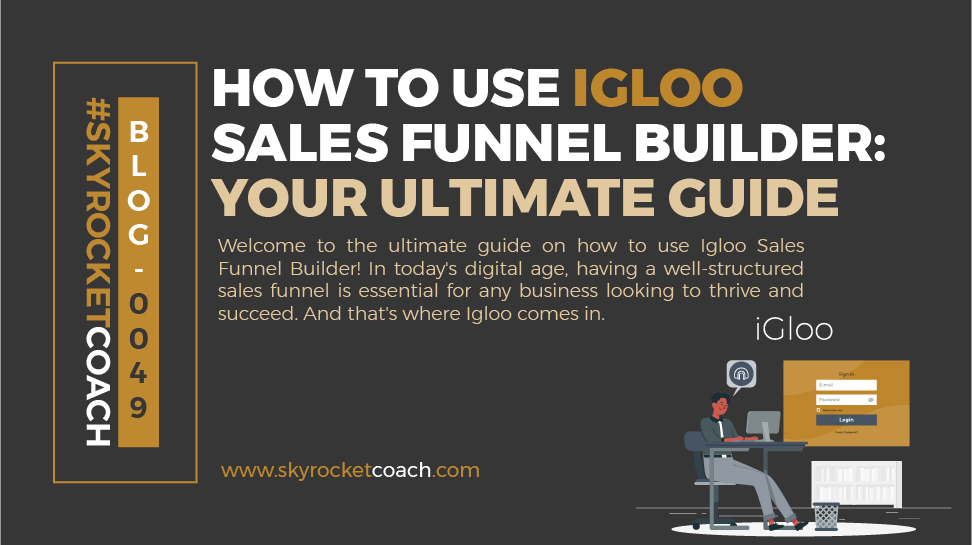
Welcome to the ultimate guide on how to use Igloo Sales Funnel Builder! In today’s digital age, having a well-structured sales funnel is essential for any business looking to thrive and succeed. And that’s where Igloo comes in. This tool simplifies building and improving sales funnels to convert leads into loyal customers. Whether you’re a beginner or an experienced marketer, this guide will walk you through the key features of Igloo and show you how to use it to build high-converting sales funnels. So grab a coffee and prepare to take your marketing game to new heights with Igloo. Getting Started With Igloo Sales Funnel Builder Setting up an Igloo account To get started with Igloo Sales Funnel Builder, you’ll need to create an account. Fortunately, the process is simple and won’t cost a lot of money, which makes it an excellent choice for startups and small businesses on a budget. Registration process: Begin by visiting the Igloo website and signing up for an account. You must provide basic information, such as your email address and password. Once registered, you’ll have access to the Igloo dashboard. Subscription options: Igloo offers various subscription plans, including a free trial and affordable paid options. Choose the one that best suits your needs and budget. The cheapest funnel builder option ensures you get started without a significant financial commitment. Navigating The Igloo Dashboard Once you’re logged into your Igloo account, take a moment to familiarize yourself with the dashboard. Igloo’s user-friendly interface makes it easy to navigate and build your sales funnels. Overview Of Key Features Igloo Sales Funnel Builder has essential features to help you create and optimize your sales funnels efficiently. These features include: Template library: Access a wide range of professionally designed templates for various funnel stages. Drag-and-drop editor: Customize your funnel pages effortlessly using the intuitive drag-and-drop editor. Integration options: Seamlessly connect your funnel with other tools and platforms, such as email marketing software and payment gateways. Analytics and tracking: Monitor the performance of your sales funnels with built-in analytics and tracking tools. How To Use Igloo Sales Funnel Builder? (Step-by-Step Guide to Setting Up Your Sales Funnel) Setting up your sales funnel builder is a crucial step in maximizing your conversions and generating revenue for your business. With Igloo Sales Funnel Builder, the process becomes streamlined and efficient. Here’s a step-by-step guide to help you: Define Your Goals: Before setting up your sales funnel, it’s important to have clear goals. Are you aiming to increase leads, boost product sales, or nurture customer relationships? Understanding your objectives will shape the structure of your funnel. Choose a Template: Igloo offers a range of beautifully designed templates that cater to different industries and marketing goals. Browse through their collection and select one that best aligns with your brand image and target audience. Customize Your Funnel: Once you’ve chosen a template, it’s time to customize it according to your needs. Add compelling headlines, persuasive copywriting, attractive visuals, and captivating call-to-action buttons that entice visitors to take the desired action. Set Up Lead Generation Forms: To capture leads effectively, integrate lead generation forms into strategic points within your funnel. Collect relevant information from potential customers so that you can follow up with personalized communication later on. Implement Email Marketing Automation: Automating email sequences is an essential part of any successful sales funnel strategy. Note: With Igloo, you can easily connect popular email marketing platforms like Mailchimp or ConvertKit and set up automated campaigns tailored towards nurturing leads into loyal customers. Optimize for Mobile Devices: With more people accessing websites on their mobile devices, your sales funnel must be fully optimized for mobile. Note: Responsive design, which adapts seamlessly across all screen sizes, ensures visitors have an optimal browsing experience regardless of the device they are using. Integrate Payment Gateways: Add payment gateways, such as PayPal or Stripe, to streamline the purchasing process for customers. Note: It allows them to make payments directly within the sales funnels without being redirected elsewhere. This reduces friction and increases the likelihood of completing a purchase. Track and Analyze Performance: With Igloo’s built-in analytics dashboard, you can monitor the performance of your funnels in real time. Test and Launch: Before launching your funnel, it’s essential to test all elements thoroughly. Use Igloo’s A/B testing feature to experiment with different variations of your funnel and determine the best-performing elements. Understanding Funnel Stages And Components Funnel Stages A well-structured sales funnel typically consists of several stages, including: Awareness: Attracting potential customers to your website or landing page. Consideration: Engaging with visitors and nurturing their interest. Conversion: Converting prospects into paying customers. Retention: Keeping customers engaged and coming back for more. Understanding these stages is essential for building effective funnels. Exploring Different Funnel Components Within each stage, you can incorporate various components to guide visitors through the buying journey. These components may include: Landing pages: The first point of contact for visitors, designed to capture their attention. Opt-in forms: Collecting visitor information for future marketing efforts. Thank-you pages: Showing appreciation to customers and providing further instructions. Best Practices For Structuring Your Funnel To maximize your online funnel builders’ effectiveness, consider these best practices: Ensure a seamless transition between funnel stages. Use compelling content and offers to keep visitors engaged. Test and optimize your funnel regularly to improve conversion rates. Integrating Third-Party Tools With Igloo One of the significant advantages of using Igloo Sales Funnel Builder is its ability to integrate with various third-party tools seamlessly. This integration opens up endless possibilities for enhancing your sales funnel and optimizing your marketing efforts. When it comes to email marketing, you can easily connect Igloo with popular platforms like Mailchimp or AWeber. This allows you to automatically sync your leads and contacts, ensuring that no potential customer falls through the cracks. Also, integrating social media platforms such as Facebook or Twitter enables you to streamline your advertising campaigns. You can set up retargeting ads on these sites with just a few clicks, letting you